The best coffee?
It's probably the one that's in your cup.
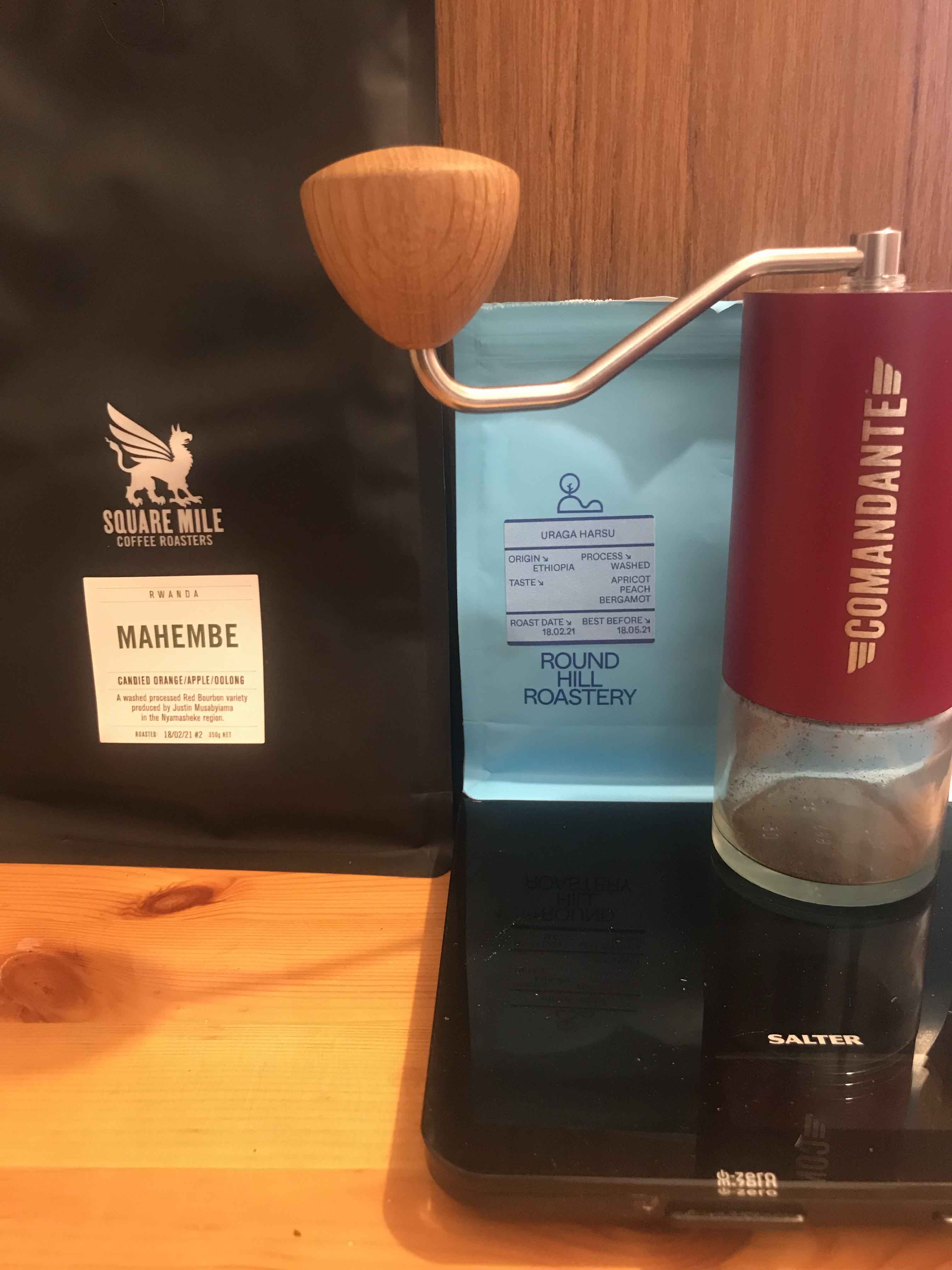
I love coffee. Since the pandemic took hold in March 2020, I've been making a morning ritual of grinding and brewing my own coffee more often than at any time in my past. For me, it's something I look forward to every morning. During my time making coffee, I've learnt to take the process as it comes. There's plenty of variables that come to making great-tasting coffee. Sometimes I've brewed coffee that misses that oomph, and it's because I've changed the technique, or that the water is not at the right temperature, or that the beans are ground too fine or too coarse.
I wanted to write this as a coffee enthusiast to inspire you into your coffee journey, whether you are a beginner wanting to learn more about tasting and enjoying a coffee or someone who loves their coffee and the joy it brings. Therefore in this post, I wanted to write inclusively, in a way that everyone can understand.
Choosing the best coffee
If you were to ask me what coffee I'd recommend, I'd ask you about what flavours you'd like in your coffee. There's no right answer to the best cup of coffee. It's the one you'd enjoy. The coffee that I'd like is not necessarily one that you'd like. Do you prefer a fruitier coffee with notes of tropical fruit? I'd recommend an Ethiopian. Maybe you'd want a coffee with a nutty note like an almond or a hazelnut. If so, try a Brazilian. Or you'd like a coffee that has complexity, tea-like with a hint of spice, liquorice but less acidic. Then a Sumatran's right for you.
Coffee notes
A lot of modern coffees that you see on a bag contain flavour notes. I've learnt to take the flavour notes with a pinch of salt, a guide rather than the definitive truth. I've had occasions that I don't taste the notes described on the bag. The brewing method, roast, and how fresh (or old) the coffee can affect how the coffee will taste to the drinker. As individuals, we have different tastes according to our genetics and culture. Some people are more sensitive to sweetness than others. In terms of acidity in coffee, some might see it as unplesant, while others might enjoy it.
A head roaster will often cup and roast a coffee multiple times to get the profile they want. Sometimes they cup a coffee with their colleagues and discuss their tastings to reach a consensus. Once they have an agreement, the beans will be roasted for general sale.
Learning about coffee
If you're starting your interest in coffee, I'd say start small and then work your way up to tasting your way up. Befriend someone who works in the coffee industry who can show you the ropes. Youtube, coffee websites and forums are great places to learn about coffee. I'd personally recommend the James Hoffman youtube channel. If you're a beginner in tasting coffee, get two (or more) coffees from different regions and taste them side by side. Make notes, is it acidic, is it sweet, is there any complexity in the brew. What about when it cools down. How does the flavour change? Even after 15 years of drinking coffee, there's still a lot for me to learn. There's new varieties, processing techniques, brew recipes coming into the world of coffee, that it's hard not to get lost in the hype.
Understanding the coffee
In some of the speciality cafes and websites, there's a myriad of information about the bean. It can be overwhelming for some. I want to cover the four essential elements of a coffee label, and they are the origin, process, tasting notes and roast dates. You can use the photos that I have included below to help you understand the four parts.
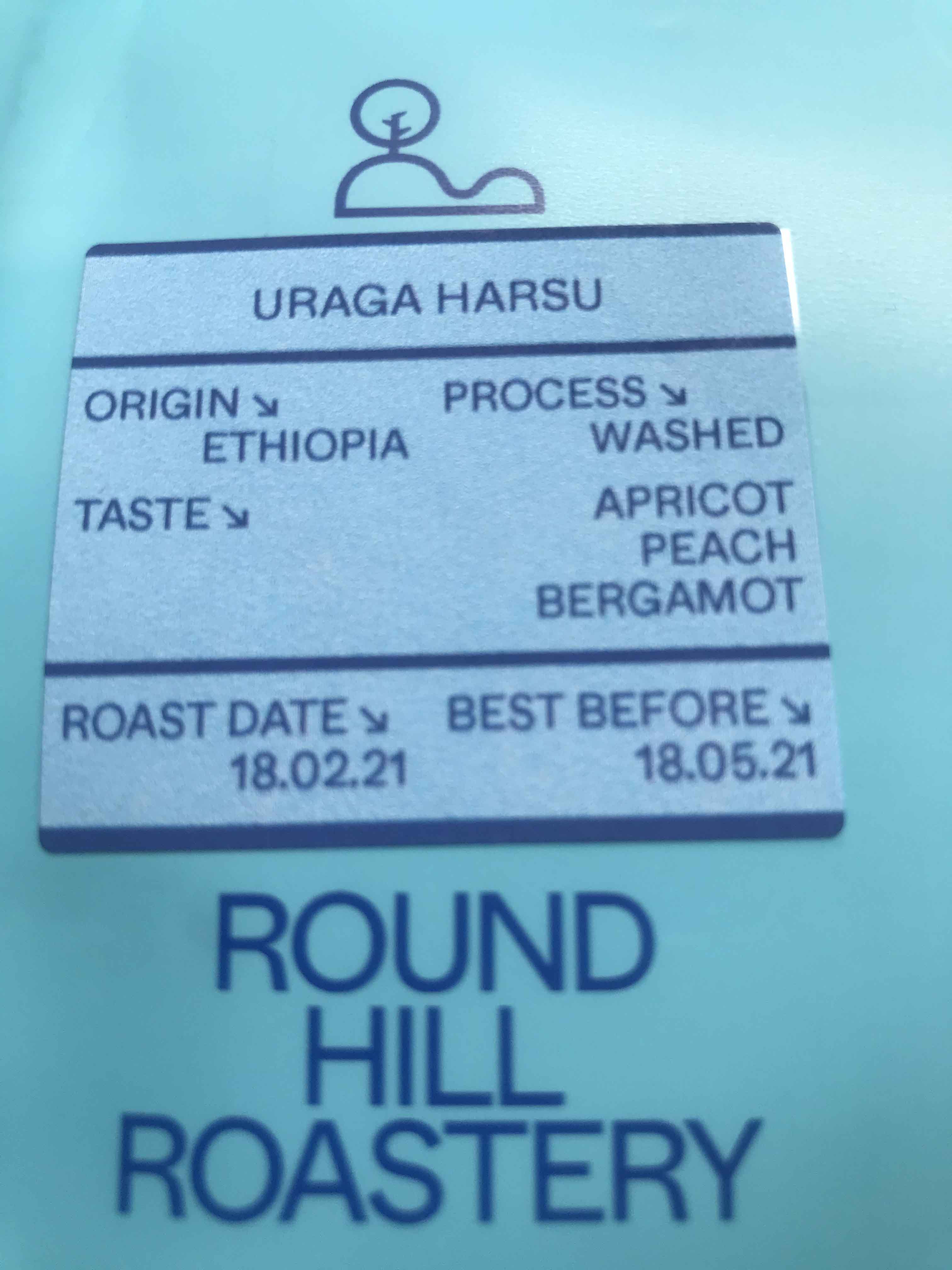
Picture Credit: Round Hill Roastery, Bristol, UK.
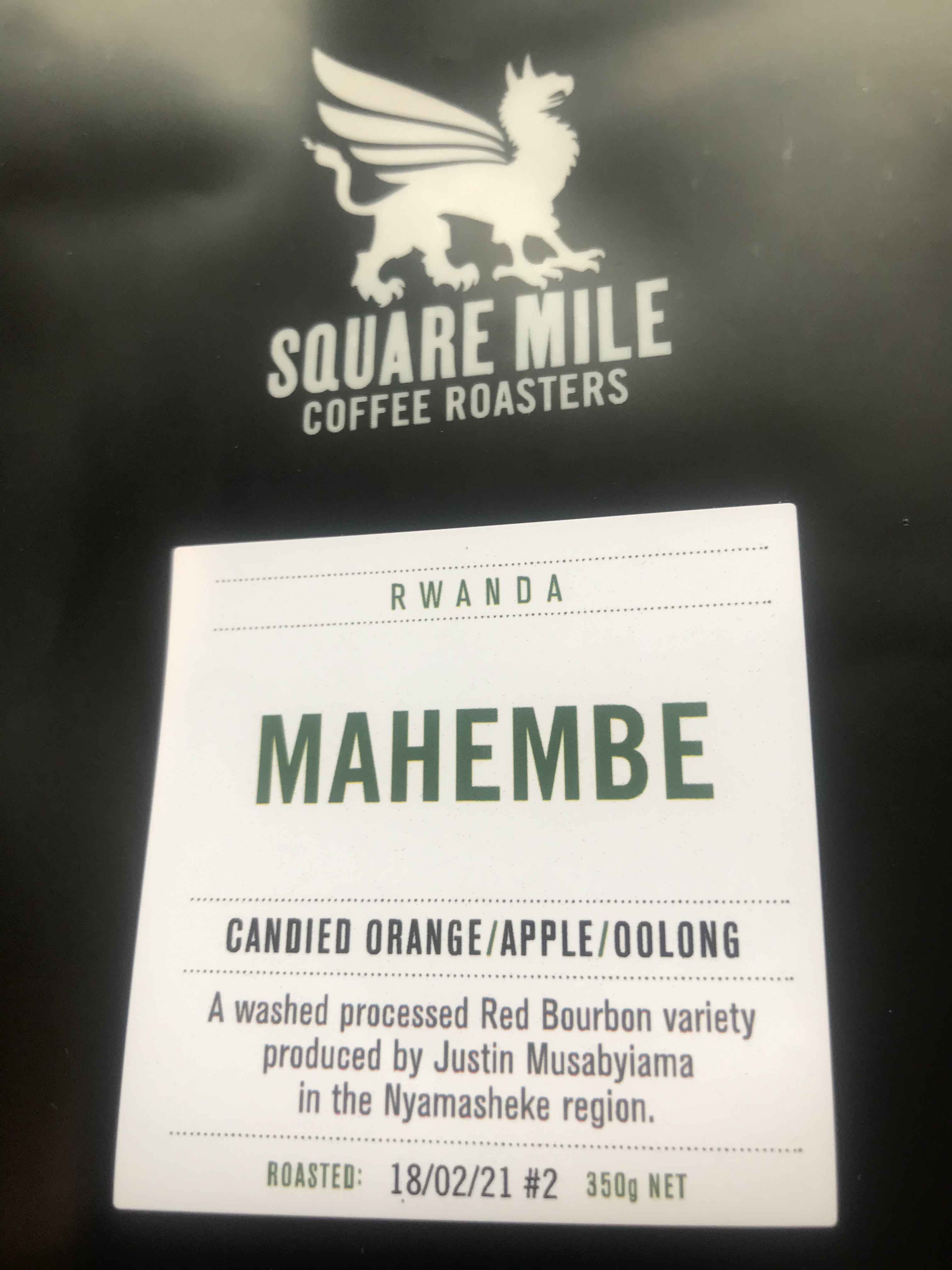
Picture Credit: Square Mile Roastery, London, UK.
The country of origin. This will give you an idea of how a coffee should taste. Each country and area has its own microclimates and elevations that affect how the coffee is grown, and it's flavour.
The tasting notes. These describe what you should taste when you brew it and should be used as a guide. The type of water, brew method and technique all affect the flavour of your cup of coffee.
The processing. Once the coffee cherry is picked, it will be processed to help bring out the flavour. There are four commonly used processing methods: Washed, Natural, Natural Pulped and Honey. These processes happen with the farmer before the coffees are exported to the roastery. This processing will affect the coffee in different ways. If you want to learn more about processing, I have provided an excellent resource provided by Hasbean Coffee. A roastery based in Stafford, UK.
The roast date. These tell you when coffee is roasted. There's a lot of debate on how long you should rest your coffee and when it becomes "stale". Coffee doesn't go rancid like milk does, but it does go through oxidation and loses it's delicate flavour notes. On the other spectrum, brewing your coffee too soon means that there will be a lot of carbon dioxide, which affects the flavour notes.
Closing thoughts
I wrote this as a general guide as to what the potential of a great coffee can be. As an enthusiast, there's a lot to learn. If you are starting into coffee, start small and gradually move up. You don't want to waste your money on an expensive kit that you don't know how to use or need. The knowledge of making coffee has gone through leaps and bounds since interest in speciality coffee started some 10-15 years ago. I'm currently learning about the different processing methods and how they can affect the taste. I prefer to buy my coffees little and often. It gives me the chance to compare and contrast different coffees and the flavours in the cup.
I believe that we're lucky to be able to have a wealth of information about coffee at our fingertips. I've met some fantastic ambassadors for coffee. Spoken to passionate baristas who have a wealth of knowledge. I've learnt on this journey to stay humble. There's a lot I don't know. I'm always reading up online, looking at videos on Youtube or reading books on coffee. I'm privileged to share my knowledge with other people who want to learn more about the coffee they're drinking. Finally, there's no right or wrong way of drinking coffee. Some people like black coffee, others prefer theirs with milk; Some like a strong espresso, others a latte. Coffee comes down to personal taste. It's one of those times where we can agree to disagree.
Victor Li
E-mail
More to explore
Redesigning for the future
A little insight into the processes and psychology behind the design of DijonVu.com to move it from 2021 and beyond.